
Why and How We Should Be Learning Mediators for Our Students
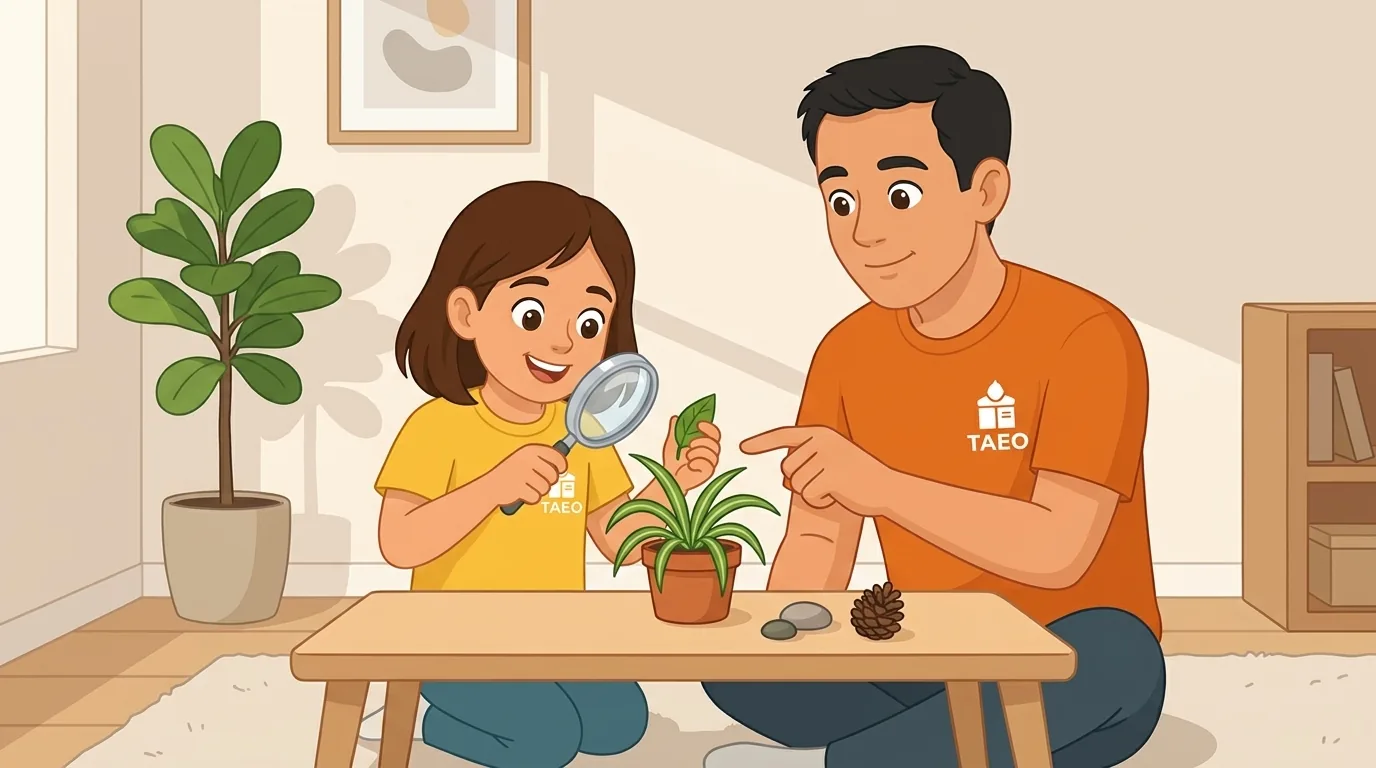
Mediation is conceived as a form of pedagogical intervention in the process of interaction between the child and the object of knowledge. In turn, this concept is related to...
Mediation is conceived as a form of pedagogical intervention in the interaction process between the child and the object of knowledge. In turn, this concept is closely tied to psychology, as it relates to competencies, skills, and cognitive processes.
At school, and more specifically in the classroom, a learning mediation process must be carried out by teachers, in the sense that “learning experiences are fostered that contribute to developing children’s potential” (Escobar, 2011).
The guiding aim of this process must strive not only for children to learn content, but to become better learners, across all contexts in which they navigate, whether formal or informal.
In this way, we ensure that they consolidate their own critical thinking, develop autonomy, learn how to learn (metacognition), and adapt more effectively to diverse circumstances, since reality is ever-changing.
How we can be mediators in our students’ learning
Below, we share a few reflections and recommendations to become more effective learning mediators for our students inside the classroom.
A Favorable Attitude
A mediator requires not only knowledge regarding learning strategies, but also embracing an attitude that allows the child to interact directly with the object of learning, guiding them not where the teacher wants them to go, but where the learner wishes to go.
Knowing and Respecting Diversity
On the other hand, for interaction to be truly effective, the mediator must understand who the student is and how they are. This entails valuing their strengths to build upon them, enabling more effective learning to take place.
To this end, in order to understand the group’s diversity, conducting assessments is recommended. These can focus, for instance, on the status of prior knowledge across different academic areas, as well as on social and emotional dimensions.
This, of course, should not be done to assign labels such as “outstanding” or “unsociable,” but rather to tailor instructional planning, aiming to promote comprehensive learning based on what students know, who they are, and what they hope to achieve.
Identifying Barriers
Another crucial aspect of being learning mediators for our students is identifying potential barriers to inclusion and participation that may arise in the child’s interaction with their environment.
As we know, these barriers stem from various aspects of institutional or pedagogical functioning. Among them, we can highlight:
– Bureaucratic barriers
– Lack of accessibility
– Scarcity of materials
– Conceptual and instructional barriers
Planning for Everyone
Once an appropriate assessment has been conducted to understand the diversity present in the classroom, it is essential to plan in ways that address the needs of all students equally.
In this regard, it is advisable to take into account the principles of UDL regarding:
– Multiple means of representation (Principle I)
– Multiple means of action and expression (Principle II)
– Multiple means of engagement (Principle III)
These principles form the core foundation upon which the teacher designs the mediation to be implemented, considering what best serves students in terms of perceiving information, or how they will interact with knowledge—whether they will produce content or an artifact, among other possibilities.
Organizing the Space and Daily Routine
Naturally, within all these considerations, we must attend to aspects of space, time, and resource organization, ensuring optimal outcomes where effective learning is concerned.
Designing Necessary Supports
Last but certainly not least, we must consider any support needs that may arise. For instance, some students may benefit from having a visible visual schedule, as well as bulletin boards or picture cards, among other resources.
A Respectful Process
Every classroom and every group is unique. Likewise, as we have seen, the elements to consider are multifaceted. Therefore, offering blanket recommendations on how we should be learning mediators for our students is no simple task. However, there is something we must always keep in mind throughout this journey: learning priorities are set by the student—that is, by their interests, concerns, and motivations. Mediation will always be more effective the more it honors and respects their independence.
*CEO of the TAEO Psychoeducational Organization