Skip to content

Psychoeducational Organization · Chile & Venezuela

At TAEO, we build contexts without barriers.

A transdisciplinary team of professionals led by Dr. Mayluc Martínez, dedicated to guiding the neuroplasticity of children, adolescents and young adults toward their fullest potential.

/Our identity

Science, psychoeducational/therapeutic mediation and human warmth for full development

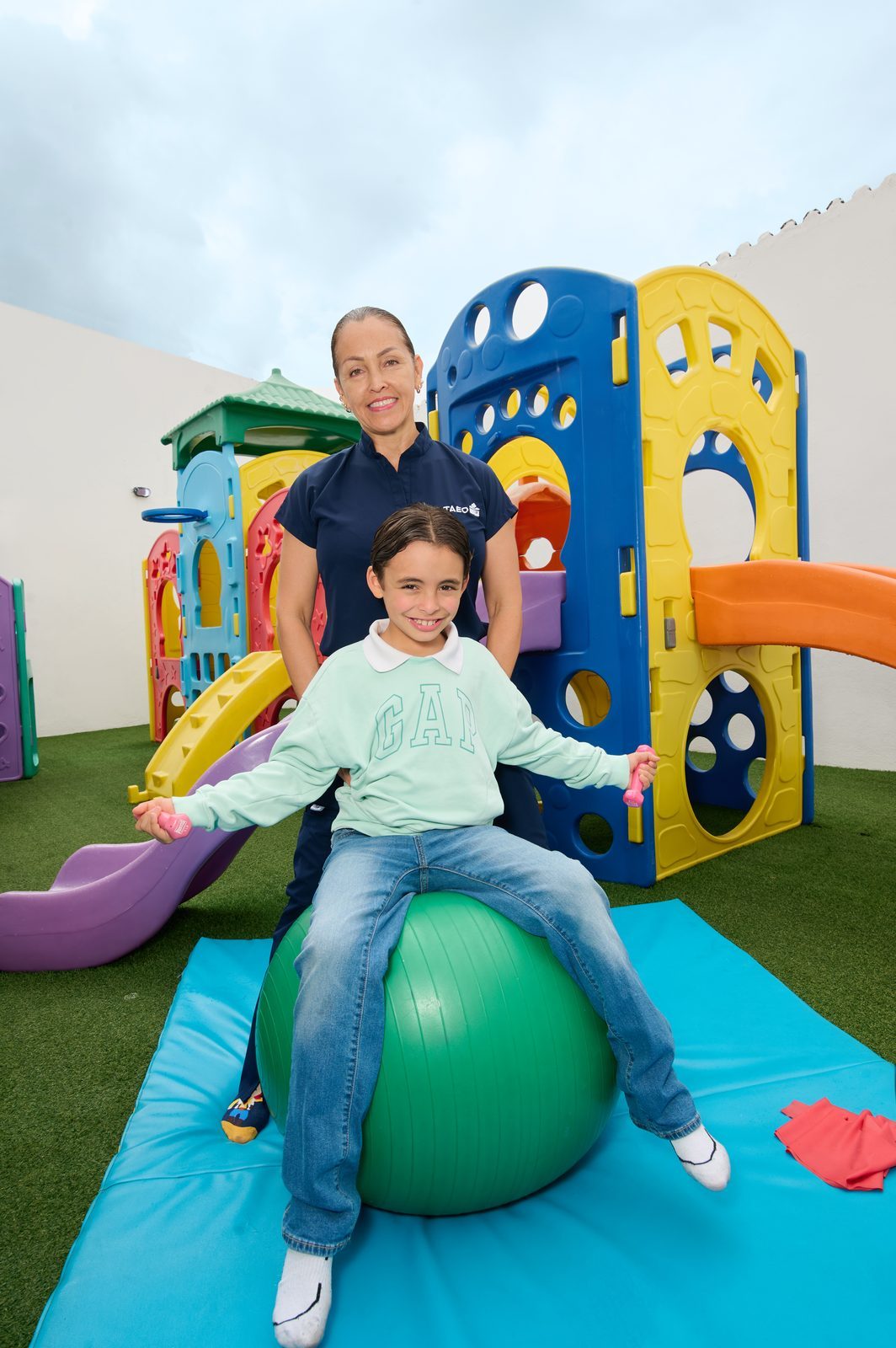
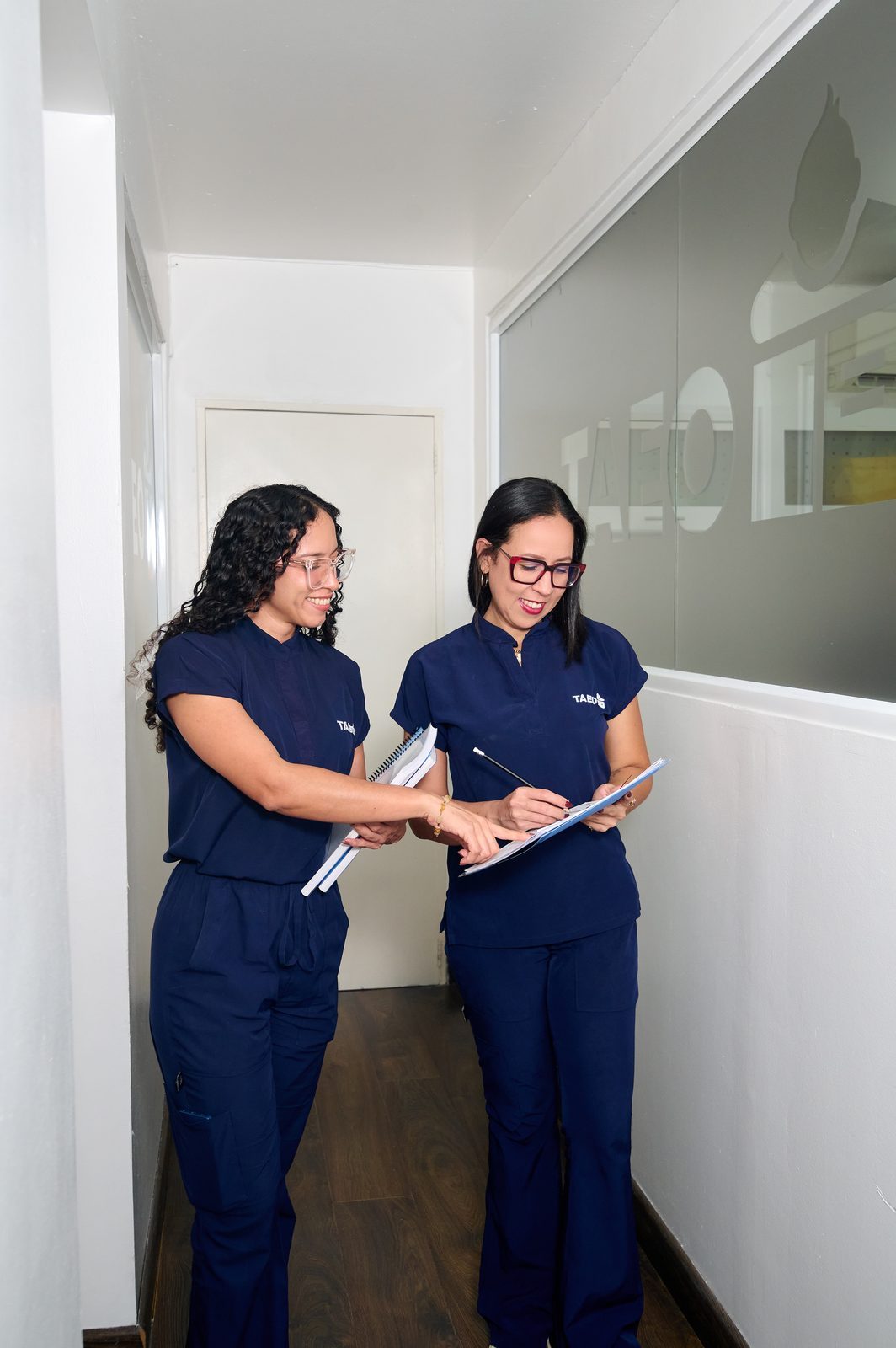
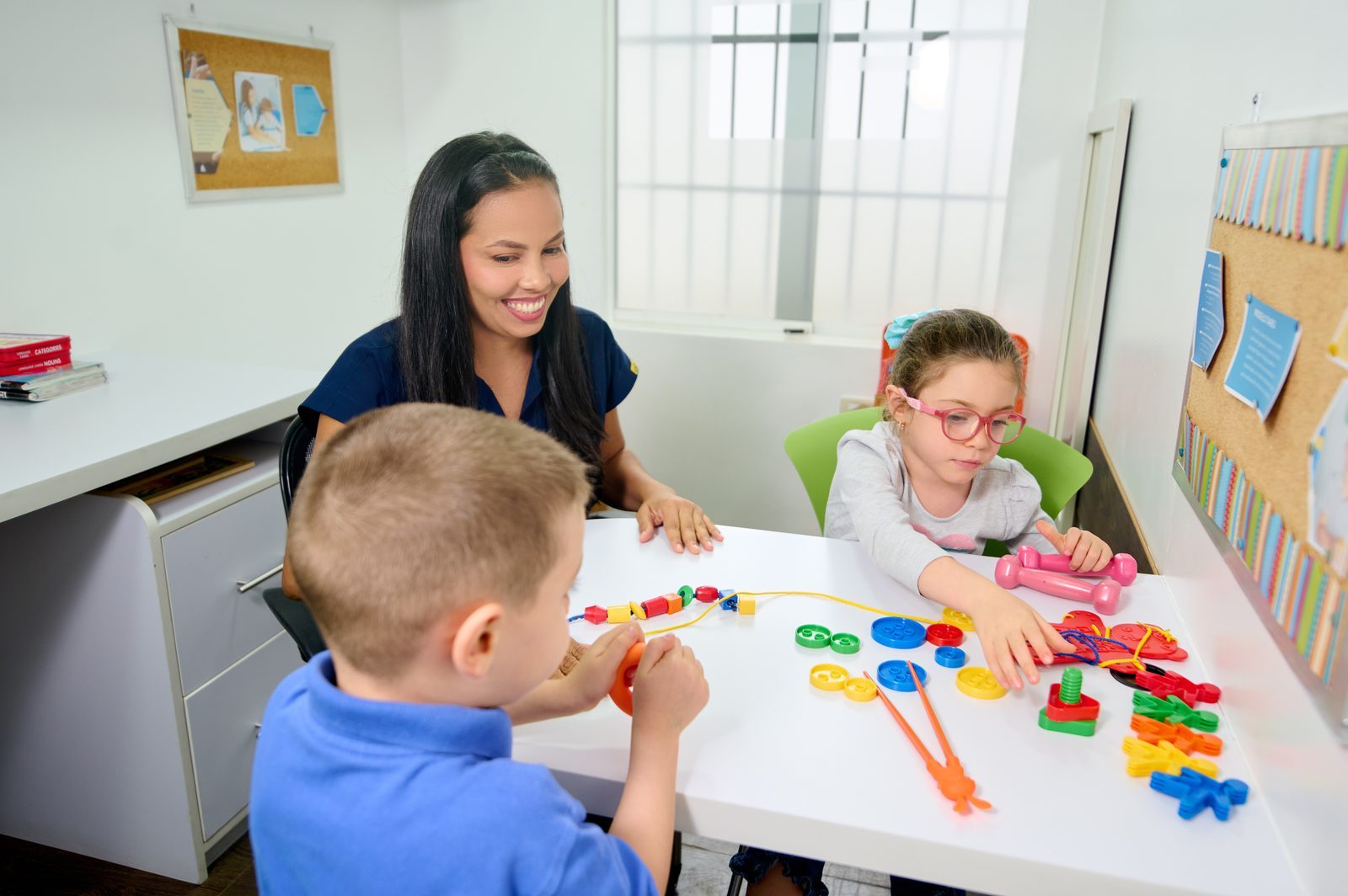
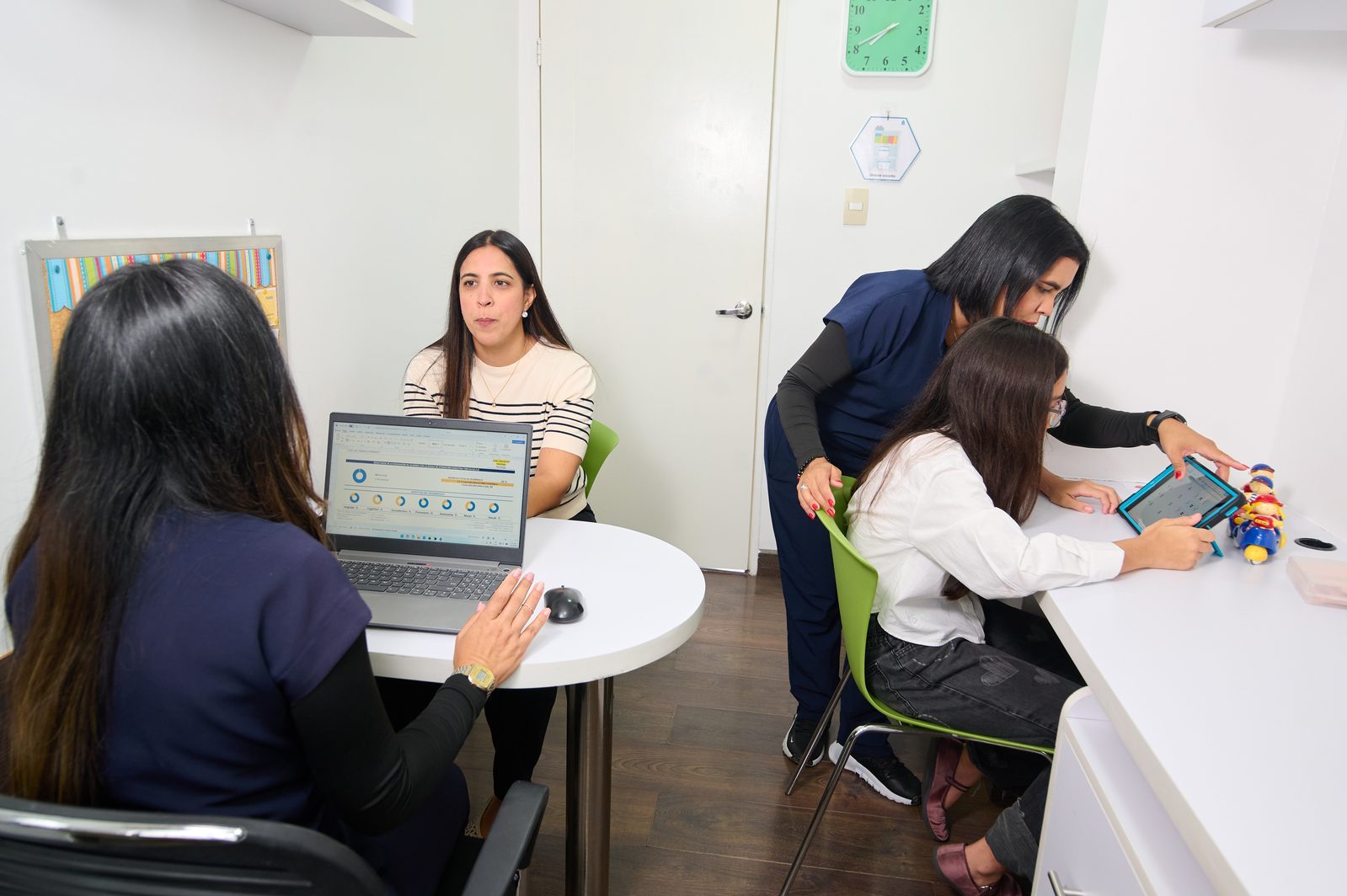
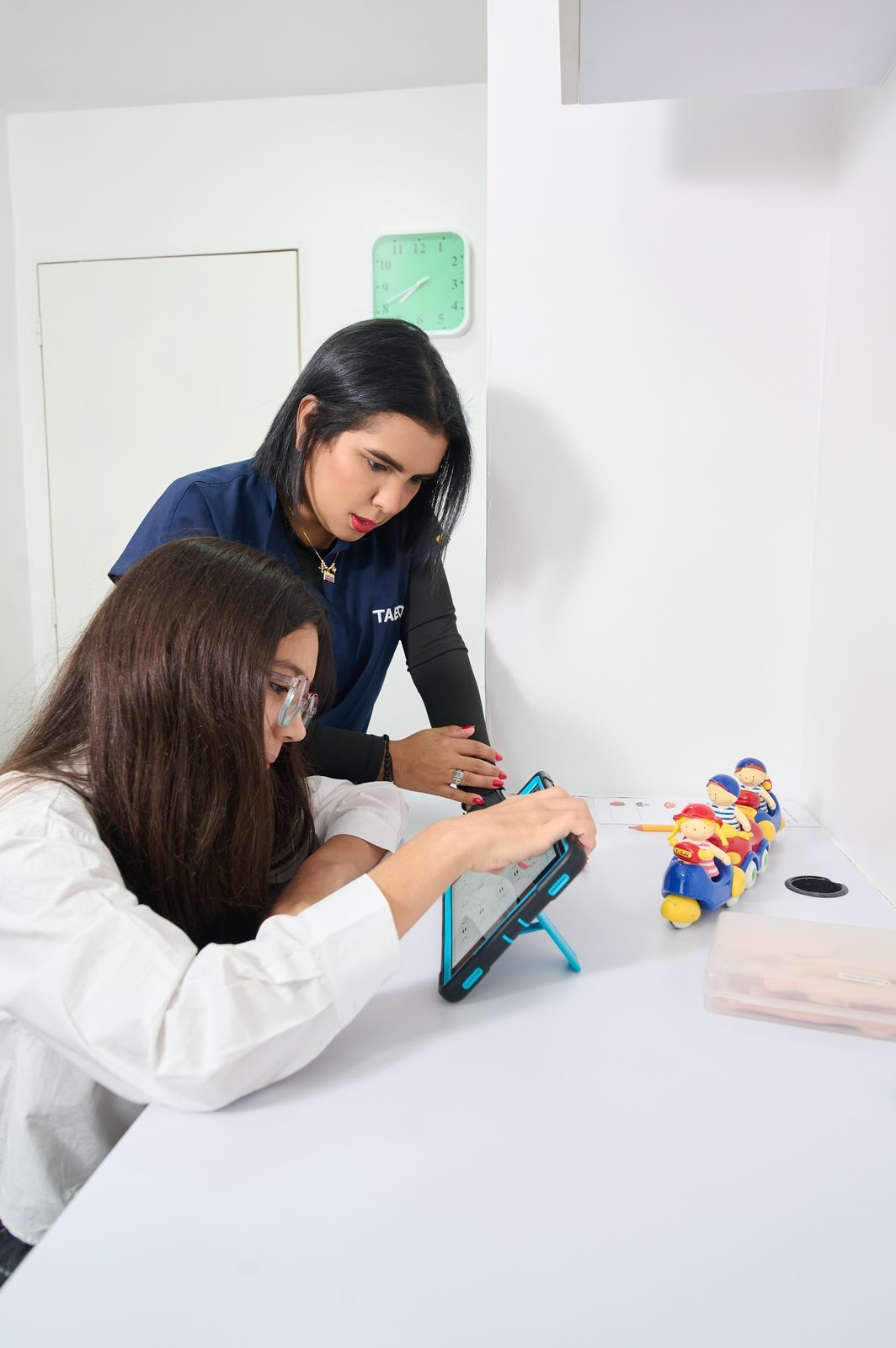
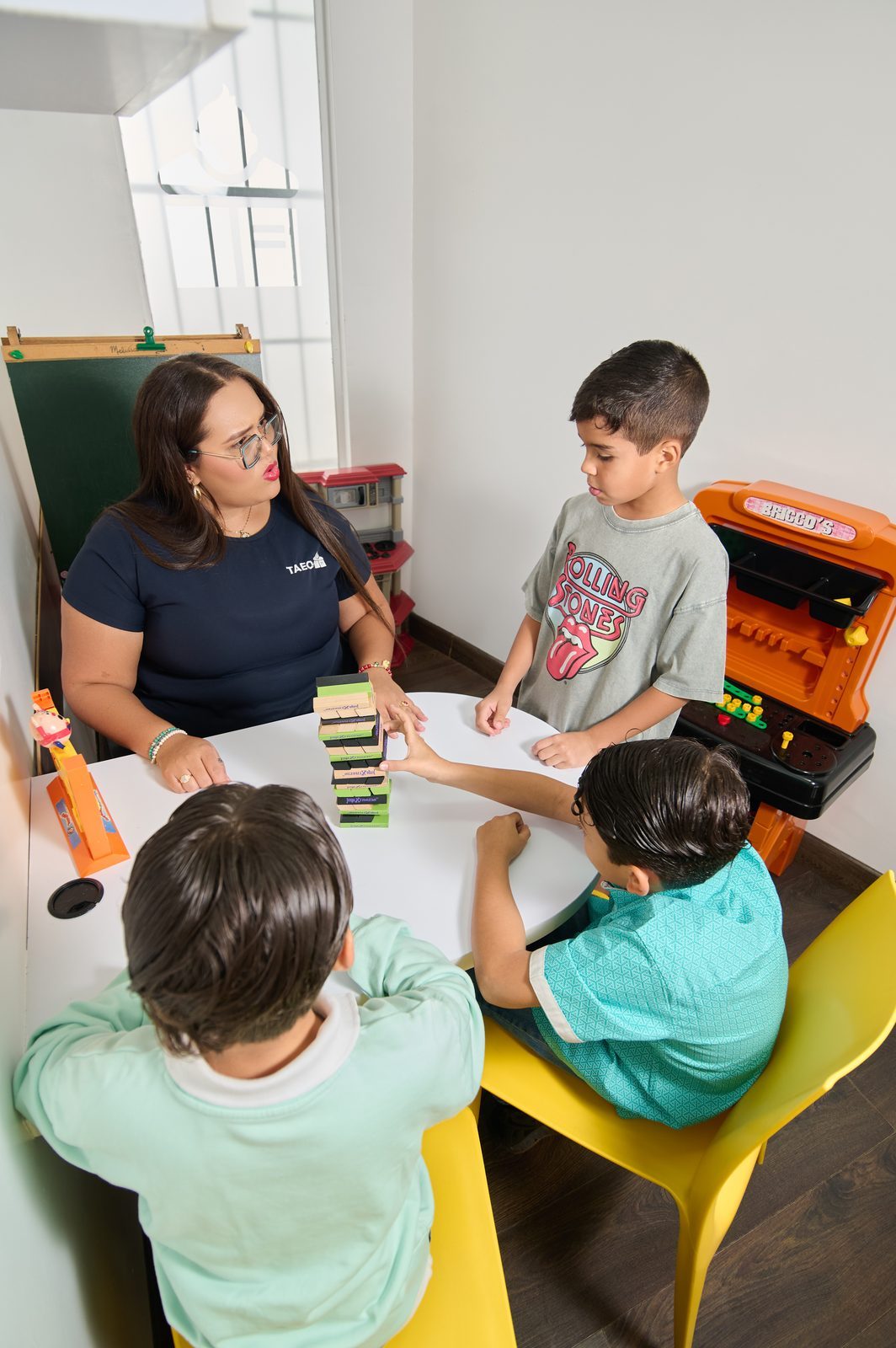
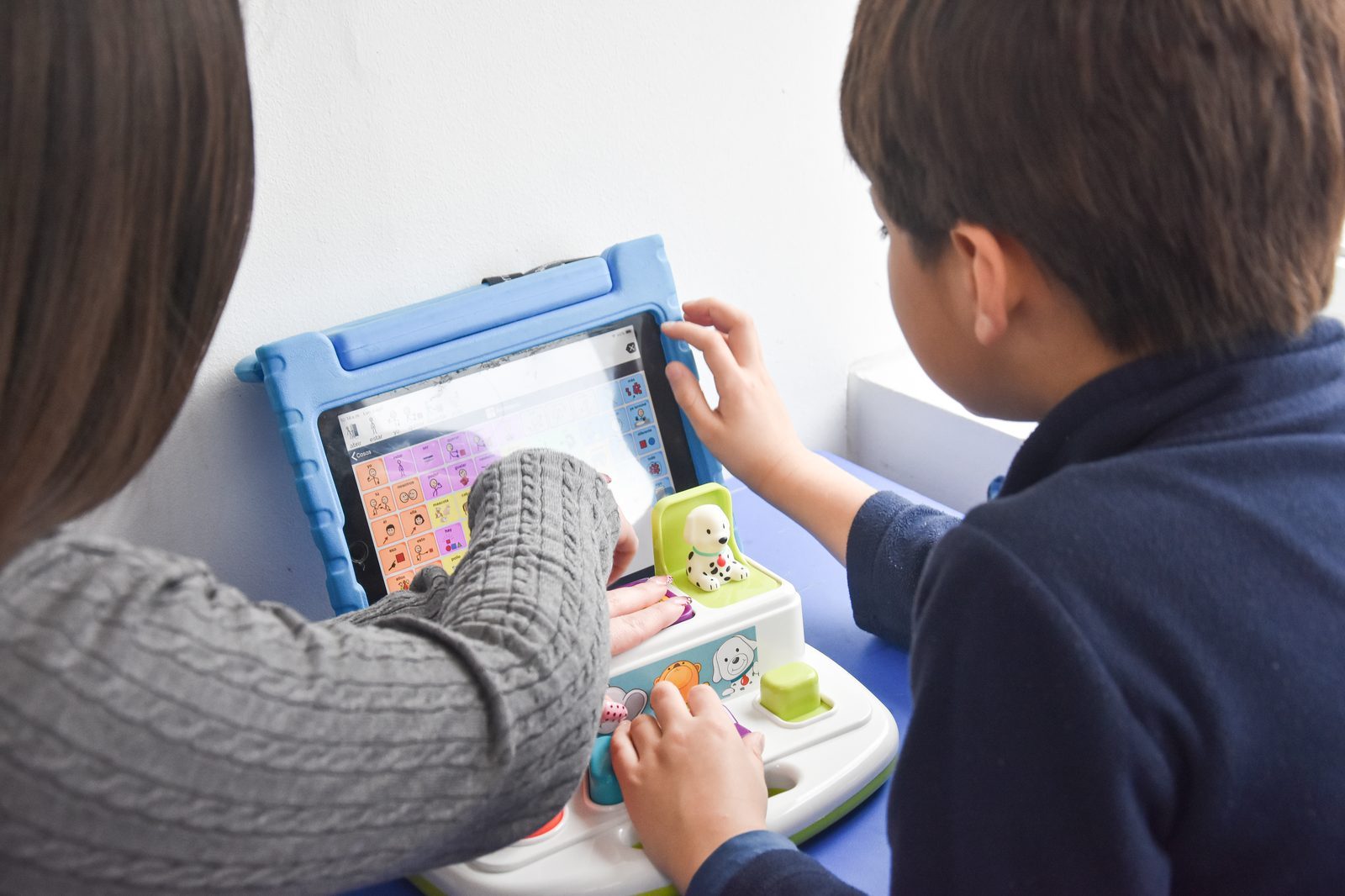
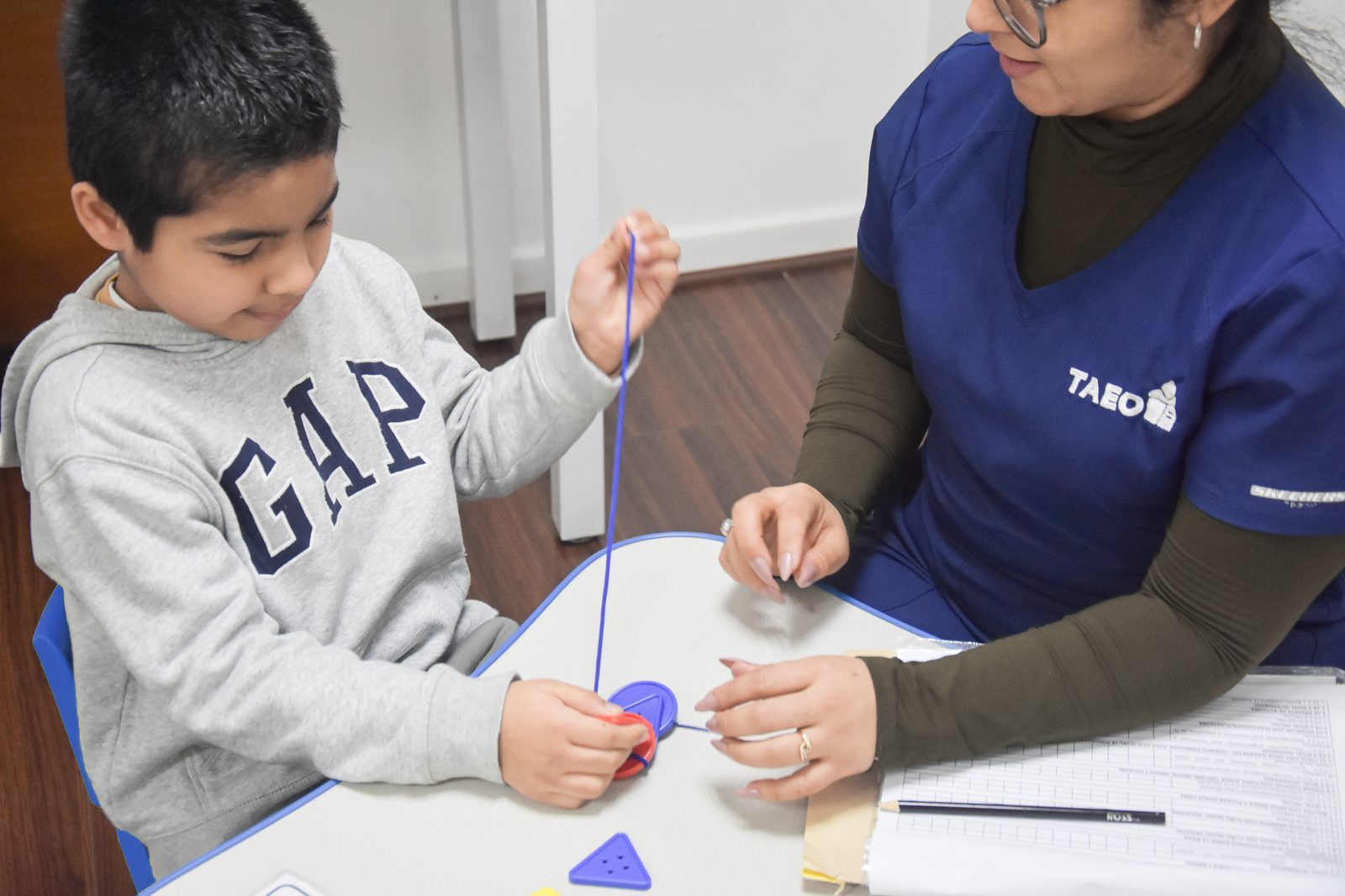
TAEO is an international reference psychoeducational organization with more than 16 years of uninterrupted work in Chile and Venezuela. Under the academic, psychoeducational and therapeutic leadership of Dr. Mayluc Martínez, we bring together special educators, psychopedagogues, speech-language therapists, psychologists, occupational therapists and physical therapists around our own mediation model that does not merely treat isolated symptoms in a consulting room, but actively transforms home, school and community dynamics to remove barriers to participation, learning and progress.

Meet Our Specialist Team

/ Population & developmental reach

We support neurodiversity across the full life cycle

At TAEO we understand that human development is not a race with an end date, but a continuous evolutionary process.

Neuroplasticity—the brain’s biological capacity to modify its connections and reorganize its functioning in response to experience and learning—accompanies us throughout life, opening possibilities for transformation at every stage.

Breaking with the traditional view that limits psychoeducation to early childhood, our model embraces the person through every life transition:

Early childhood (0–6) · Foundations of neurodevelopment

We support babies, toddlers and preschoolers in foundational milestones: early language through reciprocal communication, cognitive notions and skills, spontaneous reading and writing from early stages and progressively, sensory integration, functional motor skills, emotional regulation grounded in socioaffectivity and self-recognition, and mediated as well as independent play. We give parents practical tools from the first moment.

School age (7–12) · Learning and adaptive skills

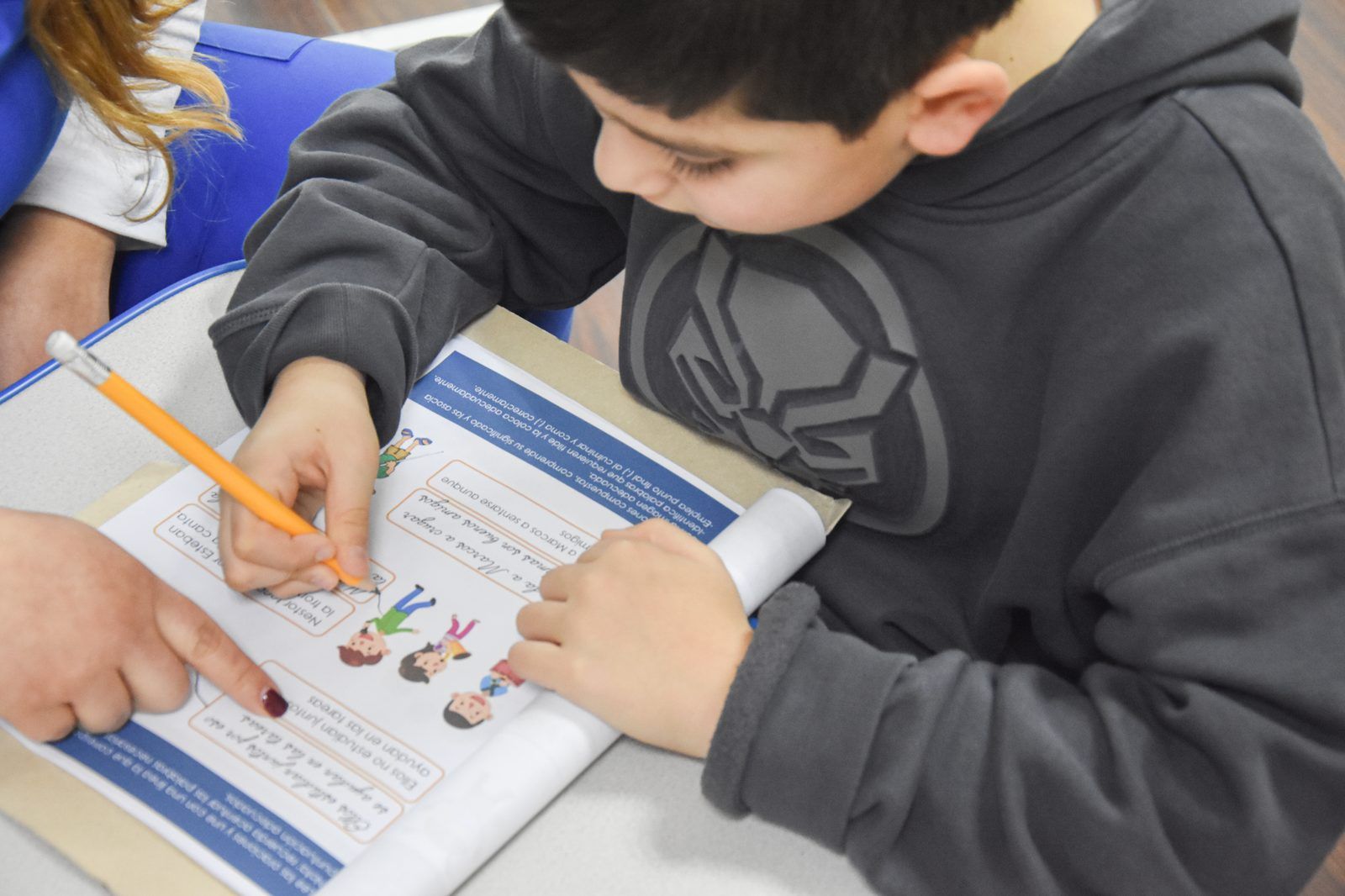
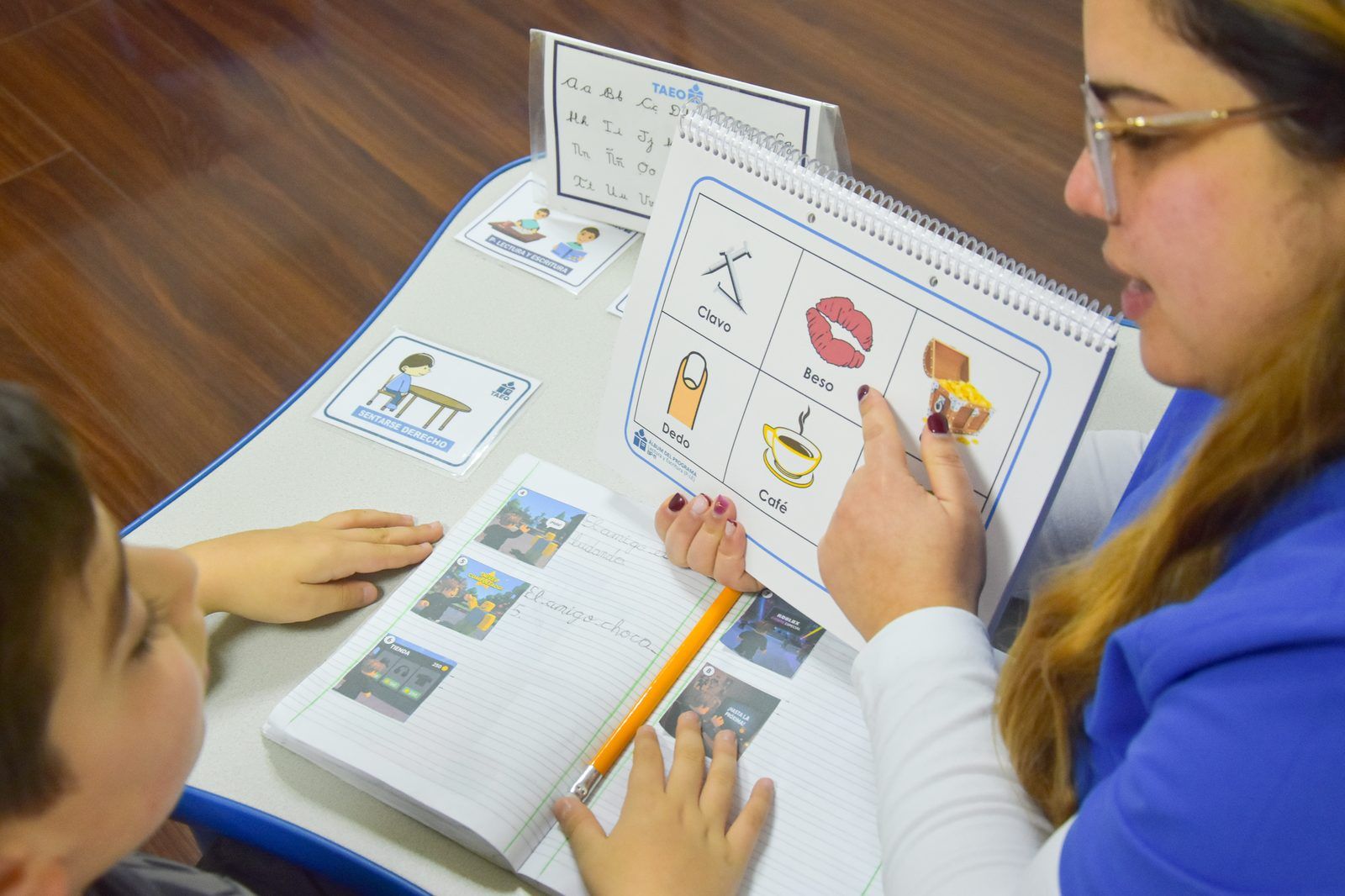
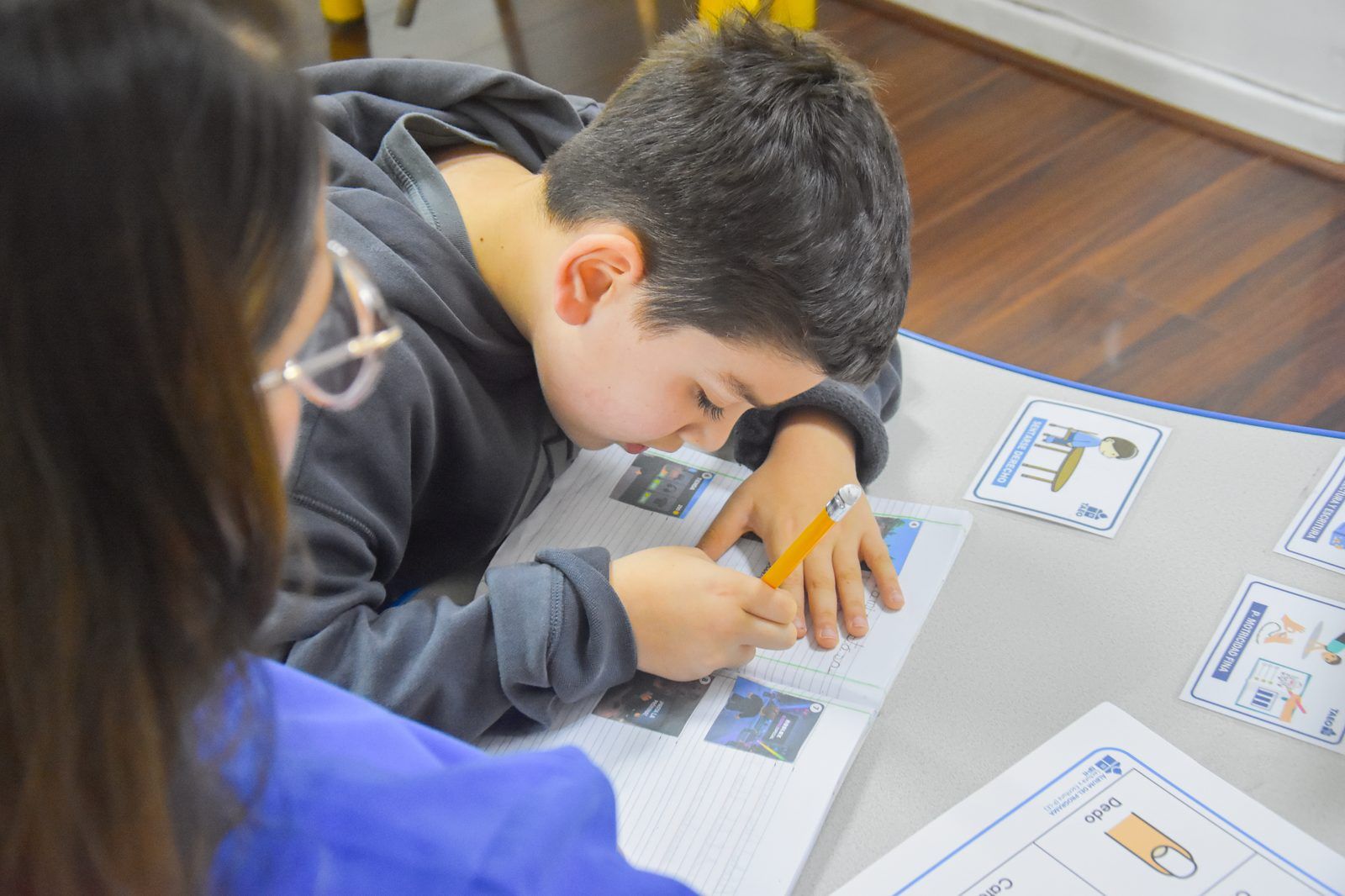
We strengthen primary-school students facing curricular and social demands: conventional reading and writing with emphasis on meaning-making from texts read and produced, logical-mathematical reasoning, working memory, executive functions, cognitive processes and thinking skills, and other competencies that support participation and learning at school and in other contexts.

Adolescence (13–17) · Identity, self-regulation and autonomy

A stage of deep brain reorganization in which neural circuits are refined and fundamental cognitive, emotional and social capacities consolidate. We intentionally foster emotional self-regulation, reflective identity, self-determination, peer interaction skills, critical thinking, educational and daily-life planning, and autonomy in the face of secondary-school barriers.

Young adulthood (18–30+) · Independent living and life projects

Development does not stop at 18. We support university students, technical trainees and young professionals consolidating full life projects: independent living skills, time management, adult-context interaction, self-determination and mediation facing social and work challenges.

Conditions and challenges we address every day:

Neurodevelopment

  • Autism Spectrum Disorder (ASD) across ages and support levels
  • Attention-Deficit/Hyperactivity Disorder (ADHD), with or without hyperactivity
  • Down syndrome and genetic conditions linked to neurodevelopment
  • Intellectual disability and adaptive functioning challenges

Communication & learning

  • Communication and language disorders (DLD/SLI, pragmatic difficulties)
  • Specific learning difficulties (dyslexia, dyscalculia, dysgraphia)
  • Giftedness / high abilities

Regulation & sensory

  • Eating disorders and sensory food selectivity
  • Behavioral self-regulation and sensory processing challenges

No label required

  • People without a clinical diagnosis facing temporary learning, adaptation or developmental difficulties

/ Distinctive value

Three scientific and human reasons to choose TAEO

Our track record rests on three methodological pillars that distinguish us from traditional clinical centers:

01

Support for people with or without a diagnosis

We do not require a medical label to begin support. While we actively join physicians in establishing highly precise diagnoses when needed, we understand that many children, adolescents and young adults face real difficulties with reading, speech, social interaction, concentration or motor skills without meeting criteria for a formal clinical disorder. At TAEO we intervene on the person and their potential, offering timely transitional support before difficulties become failure or frustration.

02

Proprietary measurement instruments and intervention programs

We do not apply imported standardized recipes without context. TAEO has its own psychoeducational technology developed and researched for more than a decade and a half—notably the TAEO 11.0 Developmental Assessment and psychoeducational programs spanning seven developmental areas, designed by Dr. Mayluc Martínez with her psychoeducational and therapeutic team’s faithful implementation, yielding updated versions with greater precision and effectiveness.

03

Variety of approaches, flexibility and contextual contingency

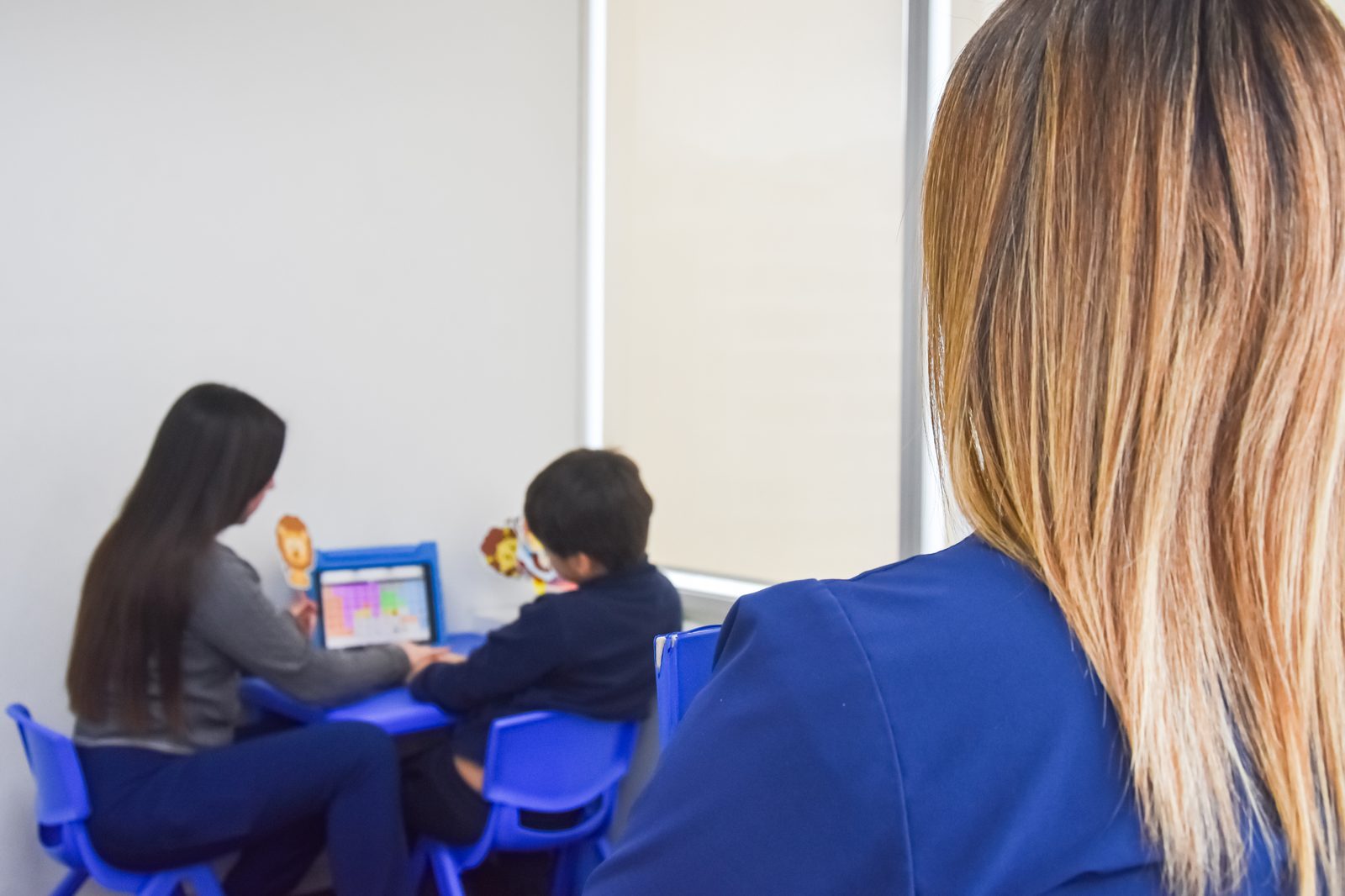
Barriers to learning and participation do not live in a therapy room; they occur in the classroom, at the family table, in the park and at work. That is why we offer a flexible range of approaches that intervene directly in real contexts: clinical, psychoeducational and therapeutic sessions at our sites, school or university liaison, structured guidance for natural home situations, and online care with international reach.

/ Backing and track record

More than 16 years transforming realities in Chile and Venezuela

Founded more than 16 years ago, the TAEO Psychoeducational Organization has built a distinguished binational track record:

  • Chile site (Santiago): located in the corporate and medical hub of Las Condes (Cerro El Plomo 5931), offering in-person care to families across the Metropolitan Region and coordinating school inclusion plans with Chilean schools.
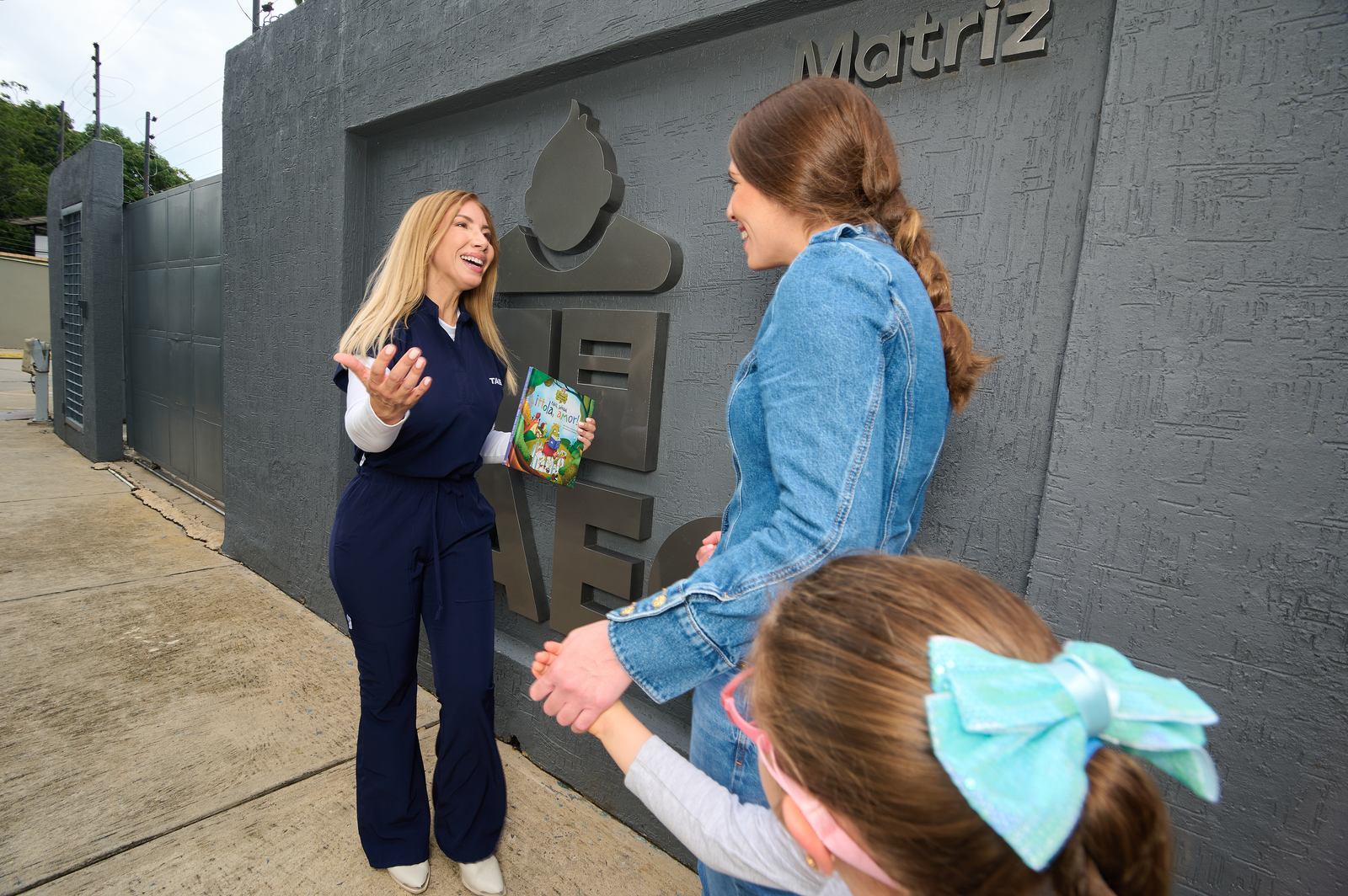
  • Venezuela sites (Carabobo): three specialized centers in Valencia and Naguanagua (El Recreo, Concepto La Granja and Concepto La Viña)—a historic reference point for neurodevelopment and family training in the country.
  • International Tele-mediation Unit: 100% online programs connecting our specialists with Spanish-speaking families in the United States, Europe and across Latin America.

/ Methodological starting point

TAEO 11.0 Developmental Assessment

Every transformative process begins with a precise, unbiased and deeply human look. The TAEO 11.0 Developmental Assessment is our flagship instrument: a comprehensive estimation protocol that examines the person’s functional status across seven essential dimensions.

  1. 1

    Sensorimotor and praxis

    Stimulus processing, fine and gross motor coordination, motor planning.

  2. 2

    Cognition and executive functions

    Working memory, cognitive flexibility, attention, problem-solving and logical reasoning.

  3. 3

    Communicative-linguistic

    Receptive and expressive language, speech, pragmatics and functional communication in context.

  4. 4

    Socioemotional and self-regulation

    Emotional awareness, theory of mind, reciprocal social interaction and frustration management.

  5. 5

    Learning and school competencies

    Reading, writing, math, independent school work and metacognitive strategies.

  6. 6

    Autonomy and adaptive behavior

    Independence in daily living activities, self-care and community participation.

  7. 7

    Contexts (family and school)

    Parental mediation, barriers and facilitators at home and school, and contextual transformation planning.

Unlike psychometric tests that only catalog deficits with a cold score, TAEO 11.0 maps the Zone of Proximal Development: what the person already achieves alone, what they can reach with adequate mediation, projecting toward their potential development zone and producing a skills profile along with the physical, pedagogical or attitudinal barriers their environment must remove. With this report in hand, we design the individualized Action Plan.

/ Complementary diagnostic batteries

Other standardized clinical assessments

When the treating neurologist, child psychiatrist or educational institution requires a formal standardized diagnostic battery, our team includes internationally accredited professionals for administration, scoring and reporting of gold-standard tests:

ADOS-2 (Autism Diagnostic Observation Schedule, 2nd Edition)

Worldwide gold standard for assessing communication, social reciprocity and repetitive behavior patterns through play or semi-structured conversation.

Modules from 12 months through adulthood (Modules 1–4 and Toddler Module). Typically 1 interview session, 1–2 direct administration sessions, plus feedback with a comprehensive report.

ADI-R (Autism Diagnostic Interview – Revised)

In-depth standardized clinical interview with parents or primary caregivers. Reconstructs early developmental history and patterns from childhood.

Essential complement to ADOS-2 to confirm or rule out ASD. Approximately 90–120 minutes of detailed clinical interview.

WISC-V (Wechsler Intelligence Scale for Children)

Wechsler intelligence scale for children: cognitive profile, indexes and strengths to guide intervention and school supports.

Administered by a qualified clinician, with feedback and an interpretive report.

PROLEXIA (Dyslexia Detection and Diagnosis)

Screening and confirmatory battery for phonological processes, naming speed and verbal working memory in literacy acquisition.

For preschoolers with reading-risk factors and school-age children with persistent reading difficulties.

Sensory Profile 2 (Winnie Dunn)

Questionnaire and clinical assessment of sensory processing at home and school (tactile, vestibular, auditory responses, etc.).

For infants, children and adolescents. Key for classroom adaptations and OT sensory integration programs.

At our Las Condes site (Santiago, Chile), professional fee receipts (boletas de honorarios) issued by accredited psychologists, speech-language therapists and occupational therapists include the codes needed for reimbursement from Isapres and complementary health insurers, according to each family’s plan.

/Methodological starting point

TAEO 11.0 Developmental Assessment

Every transformative process begins with a precise, unbiased and deeply human look. The TAEO 11.0 Developmental Assessment is our flagship procedure: an integral estimation protocol examining functional status across seven essential dimensions.

TAEO 11.0 Developmental Assessment

Discover Our Model

Seven developmental dimensions

Sensorimotor and praxis; cognition and executive functions; communicative-linguistic; socioemotional and self-regulation; reading, writing and thinking; autonomy and adaptive behavior; home–school–community contexts.

/Moments

Contexts without barriers

View gallery
TAEO venezuela
TAEO venezuela
TAEO venezuela
TAEO venezuela
TAEO venezuela
TAEO venezuela
TAEO venezuela
TAEO chile
TAEO chile
TAEO chile
TAEO chile
TAEO chile
TAEO Chile
TAEO Chile
TAEO Chile
TAEO chile
TAEO chile
TAEO chile
TAEO chile
TAEO chile
TAEO venezuela
TAEO venezuela
TAEO venezuela
TAEO venezuela

/ Answering common family questions

FAQ on Care, Assessments and the TAEO Model

What exactly does “guiding neuroplasticity” mean?

Neuroplasticity is the brain’s capacity to form new neural connections through experience. At TAEO we say we “guide” it because we do not apply random activities or wait for passive maturation; we implement deliberate psychoeducational and therapeutic mediation through programs designed to positively impact the skills profile produced by our TAEO 11.0 Developmental Assessment. In other words, we sculpt the brain by steering neuroplasticity consistently toward skills across seven developmental areas.

Is a medical referral or prior diagnosis required to come to TAEO?

No. Many families consult directly at warning signs (speech delay, maladaptive behavior, extreme frustration, motor clumsiness, difficulty reading or making friends). Without a diagnosis, we administer the TAEO 11.0 Assessment to generate a skills profile, clarify the picture and intervene without delay. If clinical observation reveals behaviors compatible with diagnostic criteria, we develop a clear diagnostic hypothesis to drive diagnosis from the Developmental Assessment when none exists yet.

Do you serve adolescents and young adults, or only young children?

We serve the full life cycle. Our psychoeducational programs span intervention from the simplest to the most complex—from directed vocalization to spontaneous reciprocal conversation, from drawing to communicate meaning to formal written text, from recognizing one’s own emotions to successful peer interaction, among many other developmental progressions we accompany across life trajectories. We have specific programs for adolescents (self-esteem, socioemotional regulation, peer interaction) and young adults 18–30+ (vocational planning, university/work insertion and autonomous living).

What is the difference between the TAEO 11.0 Assessment and ADOS-2?

ADOS-2 is a specific test to observe signs compatible with autism. The TAEO 11.0 Developmental Assessment is a multidimensional map of full development (language, cognition, socioemotional life, motor skills, autonomy, moral and sexual development) that defines a personalized psychoeducational and therapeutic work plan whether or not the person is autistic. Still, TAEO 11.0 includes rigorous clinical observation that may lead to a diagnostic hypothesis of ASD or another clinical diagnosis.

How long is the assessment process and how is the report delivered?

A rigorous assessment process includes 2 to 4 sessions (parent interview, in-person sessions with the person, and school/family context analysis). It culminates in an in-person or virtual feedback session with a detailed written report and recommendations.

Do you go to children’s schools or kindergartens?

Yes. TAEO’s contextual mediation includes direct liaison with teaching and leadership teams in Santiago and Valencia schools—advising on barriers to participation and learning, structured teaching, Universal Design for Learning, multilevel instruction and spiral learning, among other diversity-responsive models, curricular adaptations (such as PACI in Chile), classroom management strategies and school-community awareness.

How does Isapre and complementary insurance reimbursement work in Chile?

After care or assessment, a professional fee receipt (boleta de honorarios) is issued detailing the health service and the corresponding professional stamps. Families submit this receipt to their Isapre or complementary insurer for the reimbursement percentages in their policy.

What is online care like for families outside Santiago or Valencia?

Our tele-mediation unit operates through live videoconference sessions, analysis of everyday home interaction videos, and periodic structured guidance meetings with parents and local educators—with strongly validated results.


/Mission & Vision

Our Mission & Vision

Mission

In psychoeducational and therapeutic sessions, we create mediated learning experiences designed so every child and youth can achieve full development.

Vision

We seek to improve the world by positively impacting every child or youth, their family, their contexts, and society through initiatives that foster quality of life and opportunities for participation and learning.

/Testimonials

Testimonials

Sebastián went from not knowing how to read or write to doing it incredibly well thanks to his online sessions.

Páez Castellano FamilyUtah, USA

There is a "before" TAEO and a "with" TAEO; for example, school has been easier with their help. They give us tools for everyday situations.

Miguel José Chávez and Natalia RivasValencia, Venezuela

With excellent professionals and a unique methodology, our son has made significant progress in social, motor, and daily living skills.

Sifontes Castellanos FamilySantiago, Chile

/Presence

Contact us here

One experience for Chile and Venezuela: choose your location and we connect you with the right team.