
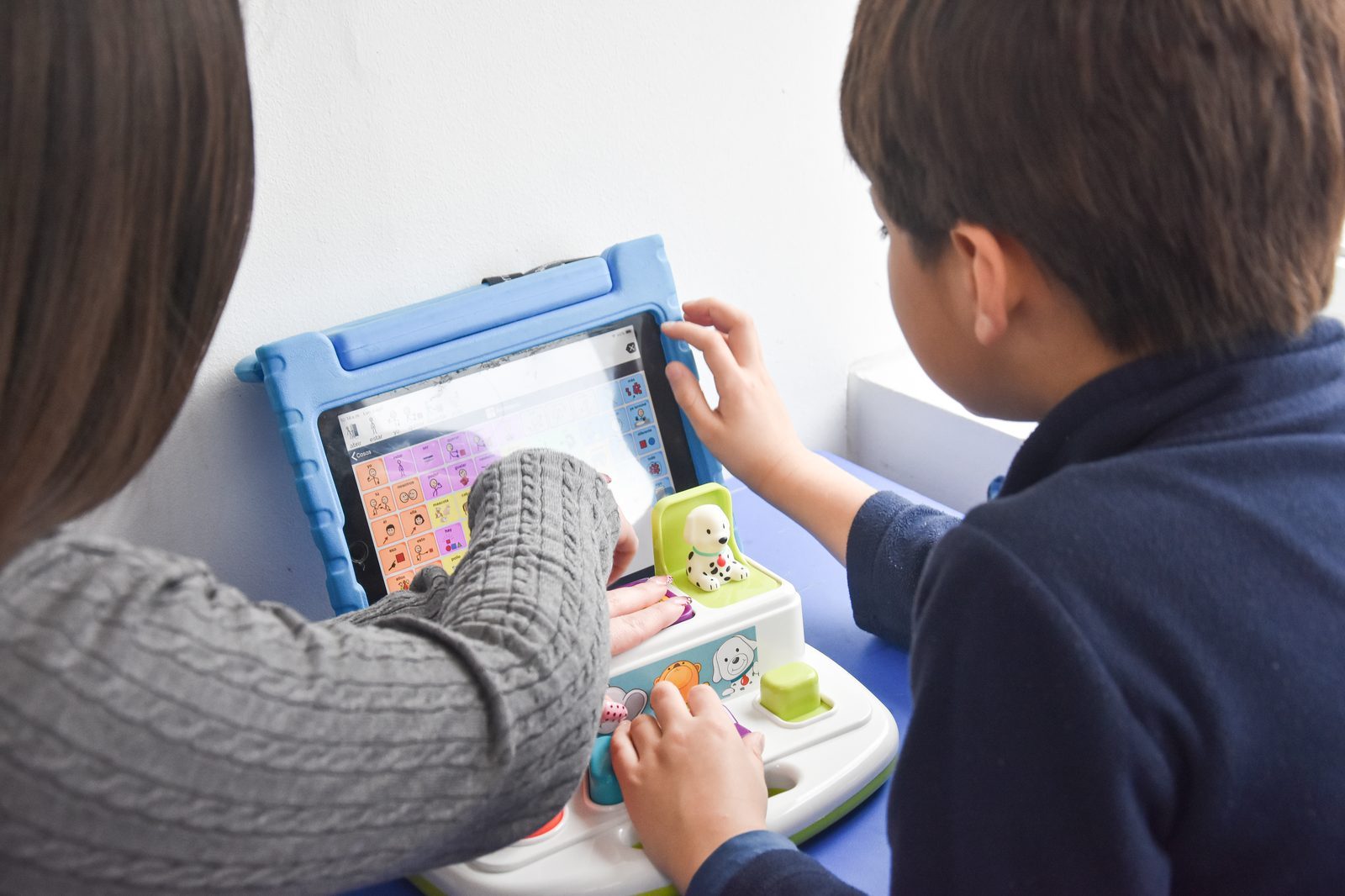


TAEO 11.0 Developmental Assessment
The TAEO 11.0 Developmental Assessment is the result of more than 16 years of scientific systematization under Dr. Mayluc Martínez. Unlike tests that only compare the individual to a standardized norm for classification, TAEO 11.0 adopts a dynamic learning perspective based on seven developmental areas and recognition of contextual influence, proposing a master action plan that strategically selects psychoeducational programs and therapeutic services to implement—with intervention practices at home, school and the wider community.
Process structure
- History and Trajectory Interview: careful collection of biological, medical, school and family-routine background.
- Direct Estimation Sessions: clinical observation of behavior while assessing indicators, notions and competencies for each age period across seven developmental areas, according to the Developmental Estimation Scale and its test battery.
- Context Triangulation: assessment of barriers and facilitators at home and school.
- Feedback Session and Written Report: formal delivery to parents of a detailed report describing identified potential and an individualized Action Plan with short-, medium- and long-term goals. The plan covers both individual capacity development and transformation of the contexts where the person participates or is projected to participate, supporting learning and progress across the life trajectory.
Sensorimotor and praxis
Stimulus processing, fine and gross motor coordination, motor planning.
Cognition and executive functions
Working memory, cognitive flexibility, attention, problem-solving and logical reasoning.
Communicative-linguistic
Receptive and expressive language, speech, pragmatics and functional communication in context.
Socioemotional and self-regulation
Emotional awareness, theory of mind, reciprocal social interaction and frustration management.
Learning and school competencies
Reading, writing, math, independent school work and metacognitive strategies.
Autonomy and adaptive behavior
Independence in daily living activities, self-care and community participation.
Contexts (family and school)
Parental mediation, barriers and facilitators at home and school, and contextual transformation planning.
 Request assessment