
Peer Learning: A Strategy of Education for All
Within educational institutions, there is always an ongoing search for the best way for learning to take place, understood as the achievement of academic objectives.…
Within educational institutions, there is always an ongoing search for the best way for learning to take place, understood as the achievement of academic objectives. In this regard, there is a wide diversity of strategies that teachers or facilitators can implement.
However, not everything rests in the hands of the teacher, as at times other participants can step in to support a peer. When this occurs, we speak of peer learning. Let us look at what it means, as well as its advantages and disadvantages.
What is Peer Learning?
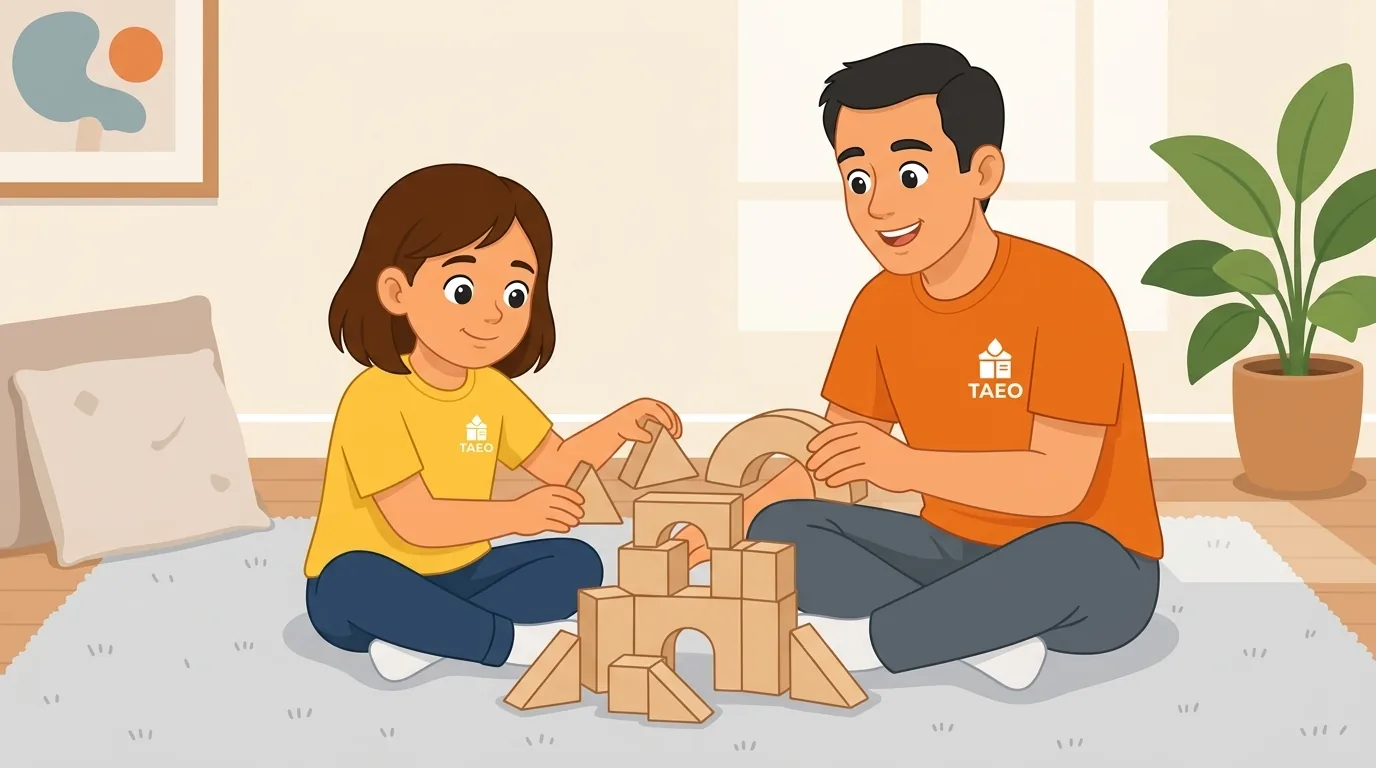
Peer learning is defined as a dialogic strategy of exchange and collaboration that takes place thanks to the mediation of fellow learners, regardless of their level or age, the type of education being delivered, or the subject matter.
While it is more common in adult education, it is also possible to implement it with younger learners, drawing on the fact that some may know more about a specific topic or possess more developed skills, taking into account the diversity of learning styles, types of intelligence, and other individual differences.
Consequently, some students can support others in subjects such as mathematics; however, it is equally possible that those who provide support may in turn need help with more practical tasks, or with subjects like physical education.
In the case of adults, peer learning can also take place in non-academic settings. That is, in the workplace, through collaborative work, new knowledge can be acquired thanks to the guidance of more experienced colleagues.
Advantages of Peer Learning
It is widely considered that the greatest advantage of peer learning lies in the fact that students often feel more comfortable interacting with their peers; they may even understand their communication better, as they share a similar speech register.
In addition to this, other benefits stand out, such as:
– Students are more active and become more deeply involved in their own learning process.
– It serves as an excellent tool for practical, hands-on learning; once the facilitator’s explanation of the task concludes, action begins immediately.
– It allows for making the most of the unique talents, capabilities, and skills of the participants.
– Learners cultivate an appreciation for the collective effort of all, negotiating objectives, defining actions, and building solutions together.
– It fosters self-responsibility and co-responsibility in learning and decision-making.
– It encourages dialogue and interaction, as well as the construction of shared meanings, within the framework of collaborative learning.
– It improves coexistence among participants, along with mutual respect.
– For the student who acts as a mediator, there is a notable boost in self-confidence.
– Learners develop the ability to value and welcome diverse points of view regarding a subject.
Risks of Peer Learning
While the advantages of implementing peer learning are significant, we must also remain aware of certain risks that could turn into potential disadvantages, deviating from learning objectives. Let us examine them:
– Even though some participants may have a grasp of certain concepts, it is always necessary to validate knowledge with the facilitator to prevent misunderstandings or misinterpretations.
– Another challenge that may arise is when a participant and the facilitator hold opposing viewpoints: this could create confusion among the rest of the group.
– A third risk is that participants may dismiss or undervalue their peers’ contributions, believing that only the authority figure’s viewpoint is valid—in this case, the teacher’s.
How to Implement Peer Learning?
In today’s educational landscapes, peer learning is a strategy that can serve as a complement to classroom activities, supported by digital and technological tools in line with the principles of connectivism.
Now, there are key recommendations that facilitators should keep in mind to make the most of this strategy and minimize the potential risks noted above. First and foremost, they must clearly identify which students can provide reliable peer support.
Likewise, participants must receive information about the contents to be developed beforehand and have the opportunity to engage with pedagogical materials, just as the teacher would.
Furthermore, for peer learning to be successful, participants must accept that their classmates’ knowledge and abilities are valid, just as the facilitator’s are. Indeed, the facilitator must also recognize that students are not blank slates, but rather bring previous knowledge and experiences that enrich the process.
It is also essential to emphasize that, while participants’ contributions are valuable, they should not be left entirely to their own devices; the facilitator must continue to guide and support the process at all times.
Finally, and most decisively, the teacher must maintain an open, constructive attitude that enables them to navigate differing viewpoints smoothly, without feeling that their authority is being questioned.
*CEO of the TAEO Psychoeducational Organization