
Special Education and Inclusive Education: Antagonistic or Collaborative?
Special education is understood as a branch within general education, where changes or adaptations take place in order to respond to students…
Special education is understood as a branch within general education, where changes or adaptations take place in order to respond to students thought to have “special educational needs”, understood as: intellectual disabilities, sensorimotor or neurodevelopmental disorders, among others.
Now, this can materialize in various ways:
- Through the implementation of various types of curricular adaptations within the classroom;
- Through the implementation of supports or the presence of an inclusive school support professional;
- Providing services within educational institutions related to psychoeducational and/or therapeutic areas, such as psychology;
- Attending services outside educational institutions related to various psychoeducational areas.
All of these actions can perfectly take place even with children considered neurotypical, as many of them also require some type of support.
However, within the educational system of some countries, traditionally special education is conceived as a separate track, which means it becomes like a parallel school attended by those who do not meet certain cognitive or behavioral demands.
These demands are established, in turn, in the norms and regulations inherent to that country’s education system, both in regular and special schools—that is, in the curriculum and the laws and regulations enacted in each case, respectively.
From a certain point of view, this conception of special education could run counter to inclusive education, since it implies a separation, almost a segregation, where the majority attends regular school, but special students must go to a particular type of institution.
Exceptionally, in some cases, certain students with a condition or diagnosis may be admitted to regular school after fulfilling specific requirements, such as professional evaluations (from psychologists, neurologists, psychiatrists, among others).
We mentioned that this can go against the principles of inclusion, if we understand inclusion as the process that seeks to ensure that all students without exception have access to school—meaning they are admitted and provided with quality inclusive education under the best possible conditions and opportunities to participate in building their learning, regardless of their diverse characteristics or abilities.
The reality is that, when relegated to a special classroom within the school or to a special institution, these children see their opportunities limited when it comes to learning how to interact in the real environments where they will live and function their entire adult lives. Furthermore, the possibility of learning to develop contextually appropriate behaviors through observation and imitation is completely eliminated.
On the other hand, children in regular schools learn that some people should be set apart in society—and this is not a good thing. How can we then tell them that they should accept others regardless of differences, when in their own school they witness that such differences are a barrier to entry?
However, special education and inclusive education do not have to be antagonistic; they can be collaborative, if special education is not understood as a separate track, but as a series of supports inside or outside the classroom.
The latter may refer to attending a psychoeducational institution where, in a setting tailored to their abilities, work is done to develop those skills that are lagging; this will be necessary to effectively benefit from a school for all, even as it transforms and eliminates as many barriers to learning as possible.
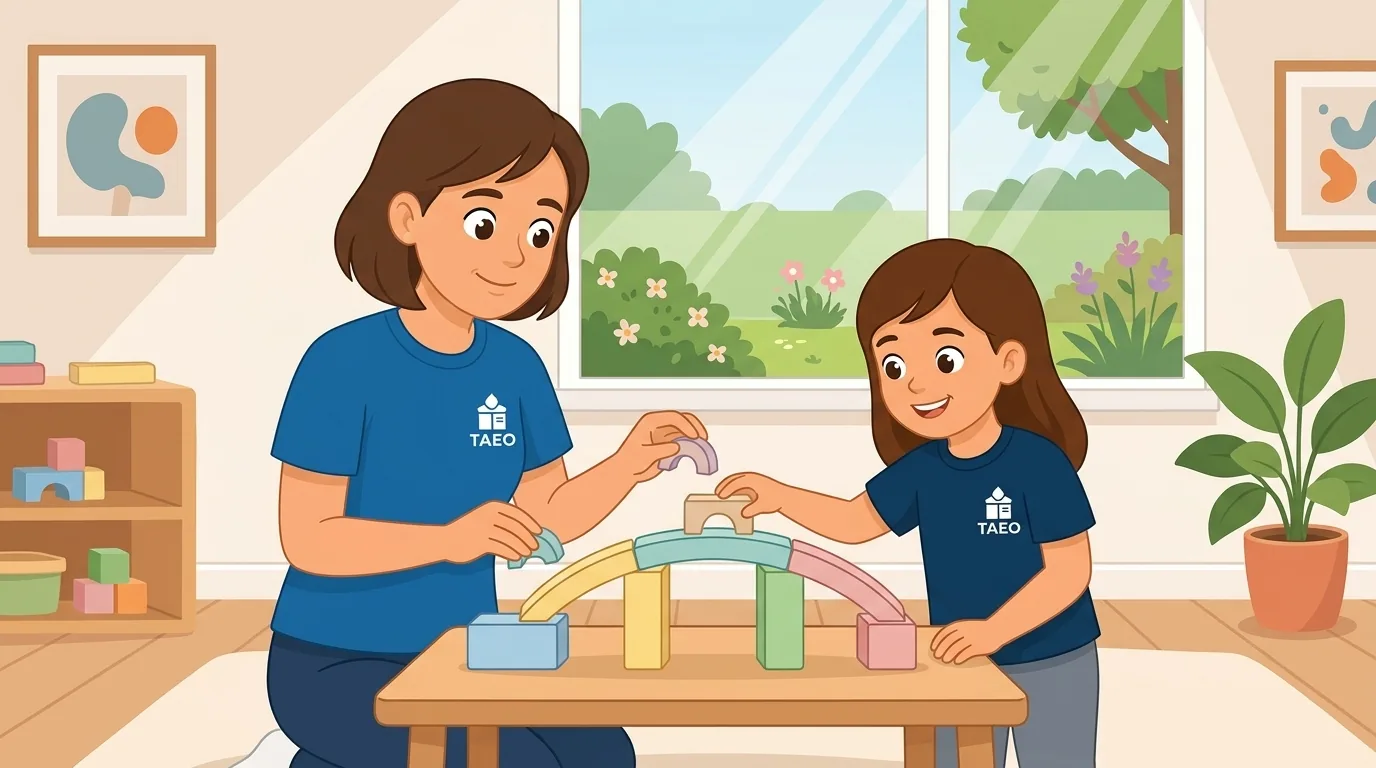
In this sense, we understand the special school as a bridge leading to participation and learning in regular school. That is, we must stop viewing special education as daycare, and turn it into a space where children develop what is absent or lagging. Of course, to achieve this, it must be collaborative and emphasize inclusion. We will elaborate further on this point in another article.
We believe that everyone can learn together at school, which necessarily implies having a single type of school. Because, as we noted, in life we coexist, or should coexist, all together. And it is precisely through inclusive education that we believe we can lay the foundation for a world where equality, tolerance, and respect for differences prevail.
*CEO of the