
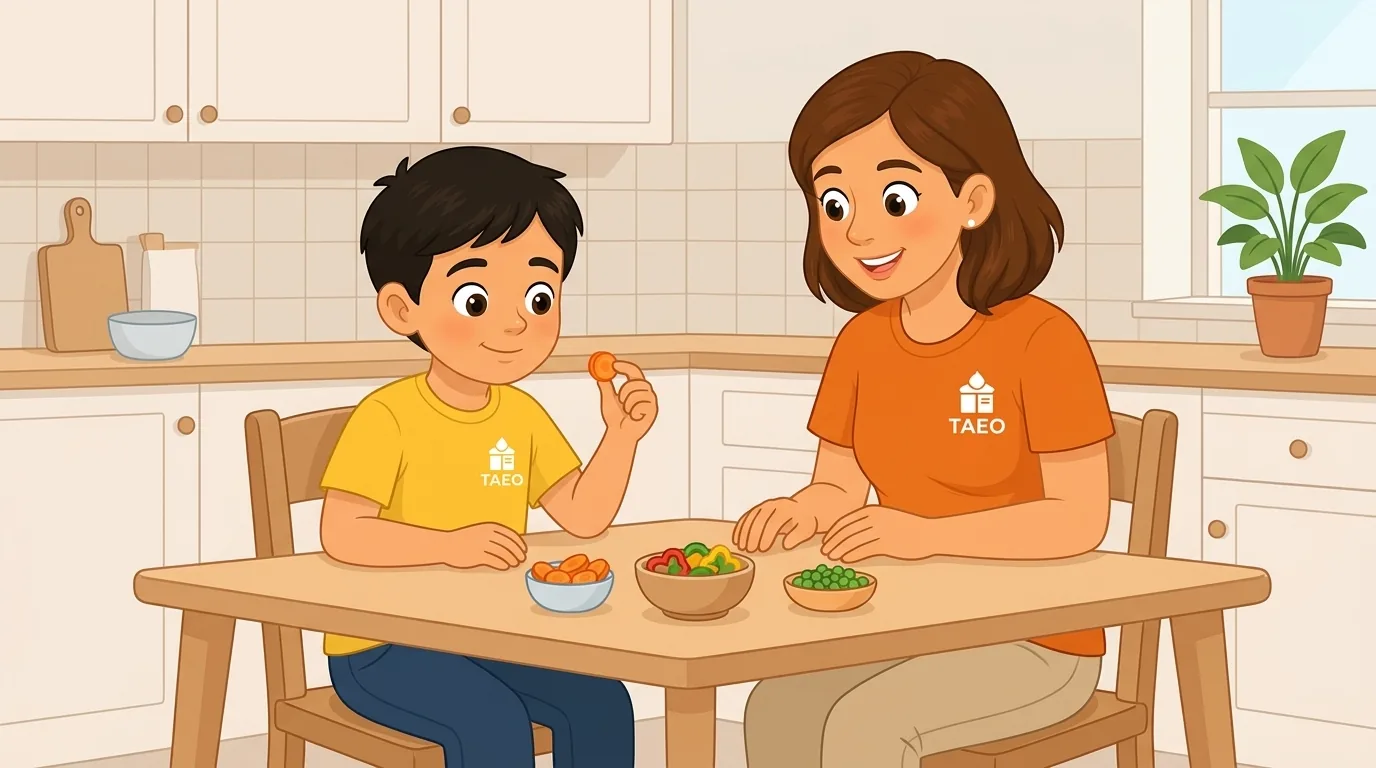
How to Address Food Selectivity at Home
According to the DSM-5-TR, the term avoidant/restrictive food intake disorder replaces feeding disorder of infancy or early childhood…
According to the DSM-5-TR, the term avoidant/restrictive food intake disorder replaces feeding disorder of infancy or early childhood, broadening the diagnostic criteria and including older children, adolescents, and even adults.
Likewise, the manual establishes that the main characteristic of this disorder is the avoidance of intake of certain foods, for reasons that we will explore below.
Feeding and Eating Disorders
These disorders constitute a group of persistent disturbances in eating-related behavior. This means that, to be considered as such, symptoms must be present for a period of one month or more.
Among the feeding and eating disorders, the DSM-5-TR lists the following:
- pica
- rumination disorder
- avoidant/restrictive food intake disorder
- anorexia nervosa
- bulimia nervosa
- binge-eating disorder
Food Selectivity and Intake Restriction
It is relatively common for young children to reject certain foods at times, reducing the variety of items they are willing to eat. This phenomenon, commonly referred to as food selectivity, is usually temporary and often resolves spontaneously, even without intervention.
On the other hand, avoidant/restrictive food intake disorder differs significantly from these behaviors, both in the attitudes and behaviors displayed and in their persistence. In certain cases, they become severe enough to require an approach guided by a healthcare professional.
In many instances, intake avoidance is based on the sensory characteristics of food, with the person showing heightened sensitivity to appearance, color, smell, taste, texture, among other sensory qualities. They may even reject foods eaten by others, creating situations of stress and discomfort.
It is more common in males and tends to emerge during the first decade of life, starting at earlier ages than other eating disorders. Furthermore, it can persist into adolescence and adulthood. Although literature regarding its long-term progression is not yet abundant, it is believed that it can be associated with relatively typical functioning in other areas.
It is worth noting that avoidant/restrictive food intake disorder should not be confused with food allergies or intolerances, which are bodily reactions to specific products that understandably lead individuals to avoid them.
Causes, Comorbidity, and Risk Factors
As mentioned, avoidant/restrictive food intake disorder may involve a rejection based on the sensory characteristics of food; however, it could also manifest as a lack of interest in eating or food in general. While this also occurs in anorexia nervosa or bulimia, unlike those disorders, there is no evident preoccupation with body weight or shape.
Moreover, according to the DSM-5-TR, this disturbance is not explained by culturally sanctioned practices; that is, it should not be confused with the avoidance of beef or pork by individuals of Hindu or Jewish faith, respectively, or with dietary choices made by vegetarians and vegans.
In some individuals, food avoidance represents a conditioned negative response stemming from an aversive experience. Although it is not attributable to a medical condition or another mental disorder, it can co-occur with certain conditions, increasing the risk of avoidant or restrictive eating behaviors, including:
- anxiety disorders
- autism spectrum disorder
- obsessive-compulsive disorder
- attention-deficit/hyperactivity disorder
There are also associated environmental and family risk factors. In this regard, rates are higher among children of mothers with eating disorders, although there is no evidence that avoidant/restrictive food intake disorder directly triggers the later onset of an eating disorder.
Potential Consequences
Eating a limited variety of foods, restrictively preferring only a few and avoiding others, leads to poor nutrition, which can bring about several negative consequences, such as:
- impaired normal growth, potentially delaying the onset of puberty;
- weight loss or failure to achieve expected growth milestones;
- multiple nutrient deficiencies, impacting overall health;
- the need for nutritional supplements, oral nutritional formulas, or enteral feeding;
- dehydration, weakness, dizziness, fainting, and hypotension;
- loss of muscle and bone mass;
- in some cases, excessive consumption of unhealthy foods high in sugar, fat, and preservatives;
- in severe cases, life-threatening complications;
- social impact.
Regarding this last point, the individual may find it difficult to participate in social activities, such as sharing meals with peers or attending family gatherings, where mealtimes become a source of significant stress.
Warning Signs
As previously noted, young children may occasionally refuse certain foods. For instance, parents often need to be creative to encourage their children to eat vegetables.
However, it can cease to be mere pickiness and turn into a food selectivity and intake restriction disorder. How can one tell? There are specific signs that warrant consulting a specialist.
First and foremost is persistence over time. But there are also more noticeable indicators, such as nausea or even vomiting simply at the sight of the rejected food. Another red flag is becoming visibly upset if someone else at the table eats the food the individual finds intolerable.
What Treatment Entails
If a child is suspected of having a restrictive or selective eating disorder, it is advisable to consult a pediatric nutritionist or medical specialist. This professional will assess the patient, review eating habits, and perform evaluations to determine whether there is an underlying health condition.
The intervention must be comprehensive, addressing nutritional, sensory, and behavioral aspects. This may include dietary counseling (alternative foods), supplement use, and even hospitalization in cases where it is medically required.
At the same time, a mental health professional should carry out an assessment to rule out other eating disorders (such as anorexia) or related conditions that may play a role. Psychotherapy can help address underlying anxiety or depressive symptoms, if present.
Supporting the Process at Home
To assist with the intervention, certain practical actions and supportive attitudes can be implemented at home. These include:
- Preparing, serving, and eating a wide variety of foods as a family, as modeling positive eating habits is helpful;
- Seeking professional guidance on which foods can be introduced as suitable alternatives to those rejected;
- Preparing food in ways that tone down the color, smell, or texture perceived as unpleasant;
- Avoiding conflicts and power struggles during meals, refraining from guilt, threats, or teasing;
- Offering positive reinforcement in response to desired eating behaviors.
Avoidant/restrictive food intake disorder can be challenging to navigate, especially if the individual or family falls into denial. Therefore, staying attentive to the warning signs is essential.
If you suspect a child is experiencing this challenge, prompt consultation with a healthcare professional is recommended. Addressing the issue early is vital to prevent serious consequences for their health and well-being.
*CEO of…