
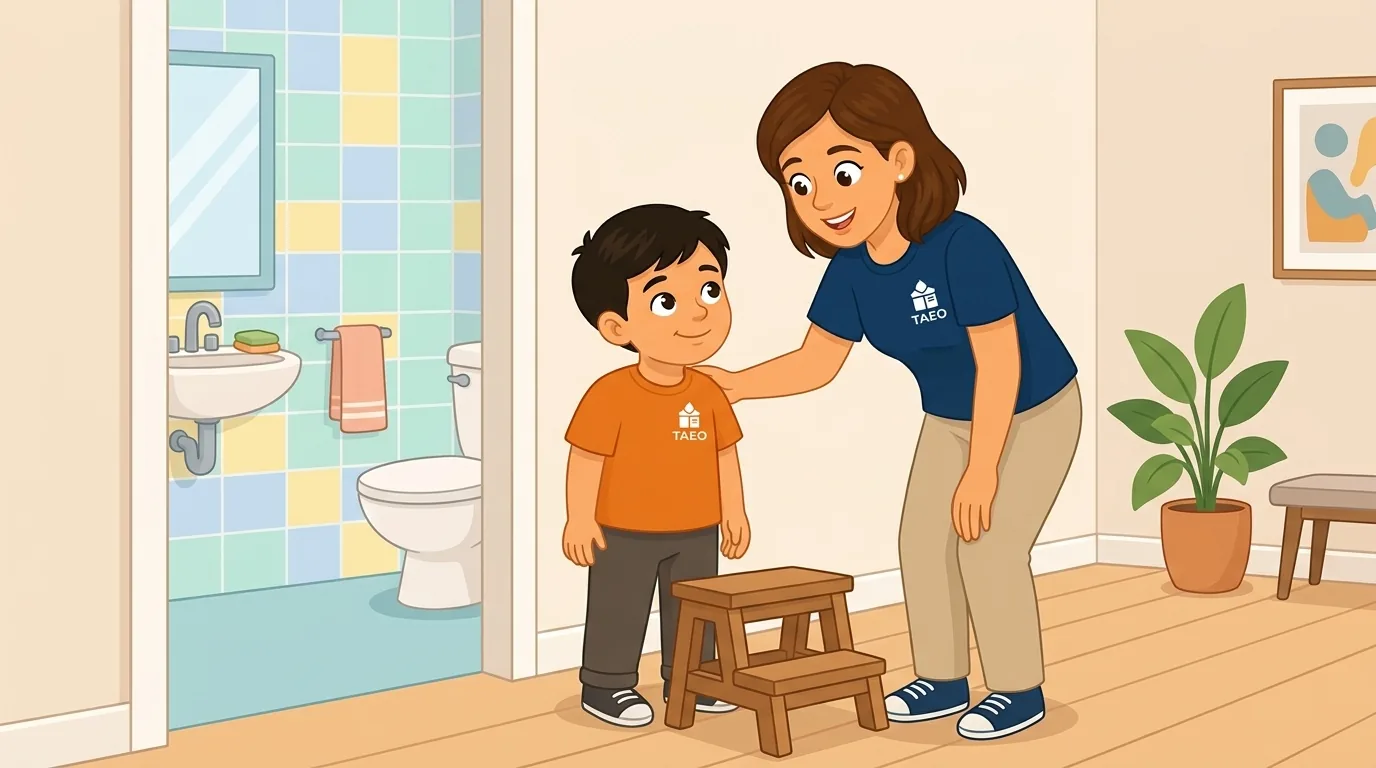
At What Age Should Children Achieve Sphincter Control?
When a child reaches a certain age, around two or slightly older, but is still wetting the bed, some mothers begin to worry. Is there a timeline for when they should start…
When a child reaches a certain age—two or slightly older—yet still wets the bed, some mothers begin to worry. Is there a timeline for when they should start using the bathroom on their own? Should you consult a specialist? Below, we will explore a bit more about the age at which children should achieve sphincter control.
What Sphincter Control Means
Sphincter control refers to the developmental process during which a child becomes aware of their physiological needs and, consequently, urinates or has a bowel movement at the appropriate time and place, whether first in a potty chair or, later, in the toilet.
It is important to emphasize that sphincter control does not happen overnight, but rather gradually. And although there are children for whom it may occur naturally, it usually requires the intervention of a significant adult who guides and supports them every step of the way.
At What Age Should Children Achieve Sphincter Control?
Before discussing the age at which children should voluntarily control their sphincters, it is helpful to understand that several stages can be distinguished in this process since, as noted, it happens gradually:
– Initially, bowel control usually occurs first; while it may begin in some children at 18 months, it is rarely fully established before age two. And at age three, they may still need an adult’s help, as they might lack the motor coordination to squat, stand up, or wipe themselves.
– Next comes daytime bladder control, that is, urinating. It begins around age two or two and a half. During the day, the child may even indicate their need if they have developed directed vocalizations.
– Nighttime control takes longer. Occasionally, a child may reach age three without having fully mastered it; even after this age, occasional accidents (wet sheets) may occur. During this stage, diapers can still be kept on at night.
– Therefore, by two and a half years old, they might already go diaper-free during the day. And after age three, they shouldn’t need them at night.
– On the other hand, nighttime bowel movements are uncommon, and if they occur, they are usually considered a symptom of illness, depending on the stool’s consistency, appearance, and odor.
However, age is not the only factor to consider regarding sphincter control. In fact, for reasons not yet fully determined, girls often achieve this milestone earlier than boys.
It is also possible that certain life events and transitions (a separation, moving homes, the arrival of a sibling, among others) may have a negative impact, delaying the start of the process or even causing regressions.
Support and Guidance for Sphincter Control
Experts recommend not rushing this process, but rather letting it unfold naturally. In this sense, it is important to observe the child for certain cues. For example, pausing what they are doing and looking around as if they want to say something.
This may indicate that they are mentally, emotionally, and physically ready to begin. And of course, the ideal approach is to work at their own pace. Likewise, behavioral procedures can be applied in this process, such as behavioral modeling and chaining.
Regarding how adults can help, the following recommendations are suggested:
– It is ideal to keep track of the times when they regularly urinate or have a bowel movement, as aligning with that routine increases the chances of using the toilet in the right place.
– If you live in a cold region, it is better to begin during the summer, dressing them in lightweight, easy-to-remove clothing.
– Practice directed vocalizations: for example, when they have urinated, say the word to them, to increase the likelihood that they will use it next time.
– Taking them to the bathroom regularly helps them adapt to the experience, especially if it can be turned into a pleasant routine, even if they don’t actually urinate or defecate every time.
– Start first by using a potty chair. Buy one with an appealing color and design, and help them sit down.
– The first few times, you should guide them by the hand. But later, you must give them the confidence to try on their own.
– However, they should never be forced, especially regarding bowel movements, as constipation can lead to increased resistance.
– Always praise and value their efforts.
– Even when regressions occur, they should never be scolded.
Challenges in Sphincter Control
Some children may resist using the potty chair or may not want to notify anyone when they need to pee. As mentioned, they shouldn’t be forced. In this case, it is best to wait a reasonable amount of time and start again.
By the time they start school, around four years of age, children typically control both bladder and bowel, both day and night. If this is not the case and situations such as bedwetting (nocturnal enuresis) occur, a specialist should be consulted.
CEO of the TAEO Psychoeducational Organization